
CPR
CVU Soccer Players Saved Their Coach. Now Every Ninth Grader Is Learning CPR.
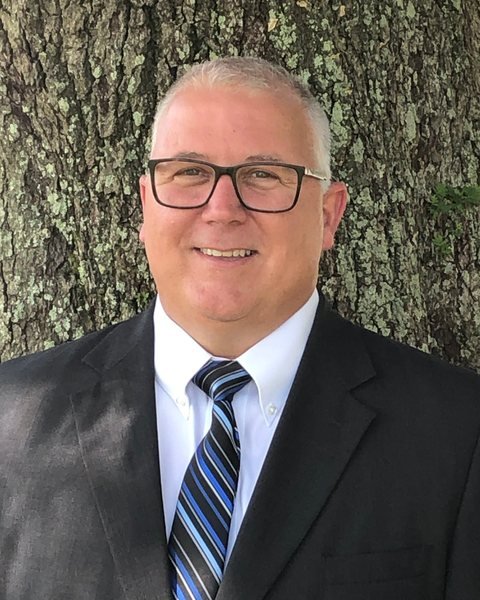 By Gene Jolley, AHA Heartsaver® Instructor · October 27, 2026
Real emergency right now? Call 911 first. The dispatcher will coach you.
Less than two months ago, the girls soccer coach at Champlain Valley Union High School in Hinesburg, Vermont went into cardiac arrest. According to Hinesburg Fire Chief Prescott Nadeau, the players' quick actions are the reason the coach is alive today.
This week WCAX reported on what the school did next. The Hinesburg Fire Department is leading a two-day CPR, AED and first aid course, so every ninth grader at CVU gets the chance to learn these skills. The school's health and safety committee had already been talking about a class like this. After the emergency, they decided to make it happen right away. Read and watch the WCAX story.
To those players: thank you. Most adults freeze in that moment. You didn't. And to Hinesburg Fire and CVU staff: this is exactly the right response.
Why this story matters beyond Hinesburg
When someone's heart stops, the minutes before the ambulance arrives decide everything. The only people who can help in those minutes are the people already there: teammates, classmates, coaches, a parent in the stands.
- Vermont's survival rate for cardiac arrest outside a hospital is about 7.5%, below the national average of about 10%.
- The American Heart Association counts 24 cardiac arrests at Vermont schools in the last ten years.
- CPR started right away can double or triple a person's chance of survival.
- Each minute without CPR or an AED shock lowers the chance of survival by roughly 7 to 10%.
A question for small towns
CVU had a fire department ready to step up and teach a whole grade. Many Vermont and New Hampshire towns rely on volunteer fire and rescue squads. Those volunteers leave their jobs and families every time the pager goes off. Teaching every student in the school may be more than a small department can take on, even when they want to.
The need is the same everywhere, and in rural towns it is even greater, because help can take longer to arrive. If your school wants training like CVU's, start by asking your local department. If they can't do it, the American Heart Association can connect you with instructors in your area.
What students can learn in one class period
Hands-Only CPR (2 steps):
- Call 911, or point at someone and say "You, call 911."
- Push hard and fast in the center of the chest, about 2 inches deep, 100 to 120 times a minute. Don't stop until help takes over. Practice the beat with our free CPR metronome.
The AED: Turn it on and do what it says. It talks you through every step, and it will not shock someone who doesn't need it. Here's the step-by-step AED guide.
Tip for coaches: At the first practice of every season, show the whole team where the AED is. Walk there together. In an emergency, nobody should be guessing.
What Vermont law asks of schools
Starting this school year, Act 72 requires every Vermont school and school athletic program to have a cardiac emergency response plan. Vermont law (Act 151) also intends for every high school student to learn Hands-Only CPR before graduation.
If your school is working on its plan, here is our free sample cardiac emergency response plan you can copy and fill in.
Free printable CPR posters and pocket cards are available for gyms, locker rooms and buses.
Sources
- WCAX, "Vermont high school learns lessons in lifesaving care," Oct. 27, 2026, wcax.com
- American Heart Association testimony to the Vermont Legislature, 2025 and 2026 (survival rate, school cardiac arrests, Act 72, Act 151), legislature.vermont.gov
- American Heart Association Eastern States: Vermont cardiac emergency response plan law, easternstates.heart.org
- American Heart Association, Hands-Only CPR and survival statistics, heart.org
Reading is a start. Hands-on practice is what sticks.
Learn CPR, AED and First Aid on real manikins and AED trainers with an American Heart Association instructor, at your workplace or in your community.
Call or text (802) 424-0190 or email info@twinstatesafety.com
See CPR & First Aid classesThis guide is general safety information, not medical advice or a code inspection. It does not replace a hands-on CPR or first aid class. Product recommendations are my own and are not endorsed by the American Heart Association.